
The Douglas County Wanted Archive
The Douglas County Sheriff's Office runs a curated Most Wanted and BOLO archive. The agency owns it. No commercial mugshot publisher is involved. A visit usually finds about eleven cards, mixing named wanted-person posts with notices about unidentified suspects or incidents. Some posts are fresh. Others have lingered. DCSO promises no fixed update schedule, no complete coverage of warrants, and no across-the-board reward policy.
Each card tends to include a name or incident label, a photo or surveillance still, the offense under investigation, descriptive details, and a way to reach investigators. The images stay on the Sheriff's own page. They aren't reproduced here. Warrants can change after publication, and people do get located, so an old card may not reflect where a case stands now.
Don't confuse this archive with a Douglas County jail roster. The roster answers who sat in county custody on a given date. A wanted notice asks the public for help with a chosen open matter. Someone can be wanted without ever appearing in local custody. A jail entry alone doesn't earn anyone a spot on the list. If a notice later leads to a booking at the Douglas County Jail, the county roster and Daily Reports cover that custody stage; after sentencing and transfer, the Georgia Department of Corrections offender search handles the state side. Neither tool clears a warrant. That power rests with the issuing court.
Behind the archive sits the official Fugitive and Warrants Division. It records warrants, checks identifiers and history, enters qualifying records into NCIC, and assigns warrants for service. The division offers no public comprehensive name search. That is a meaningful local fact, not a gap for unofficial databases to fill. View the DCSO Most Wanted and BOLO archive to check the current status of any notice.
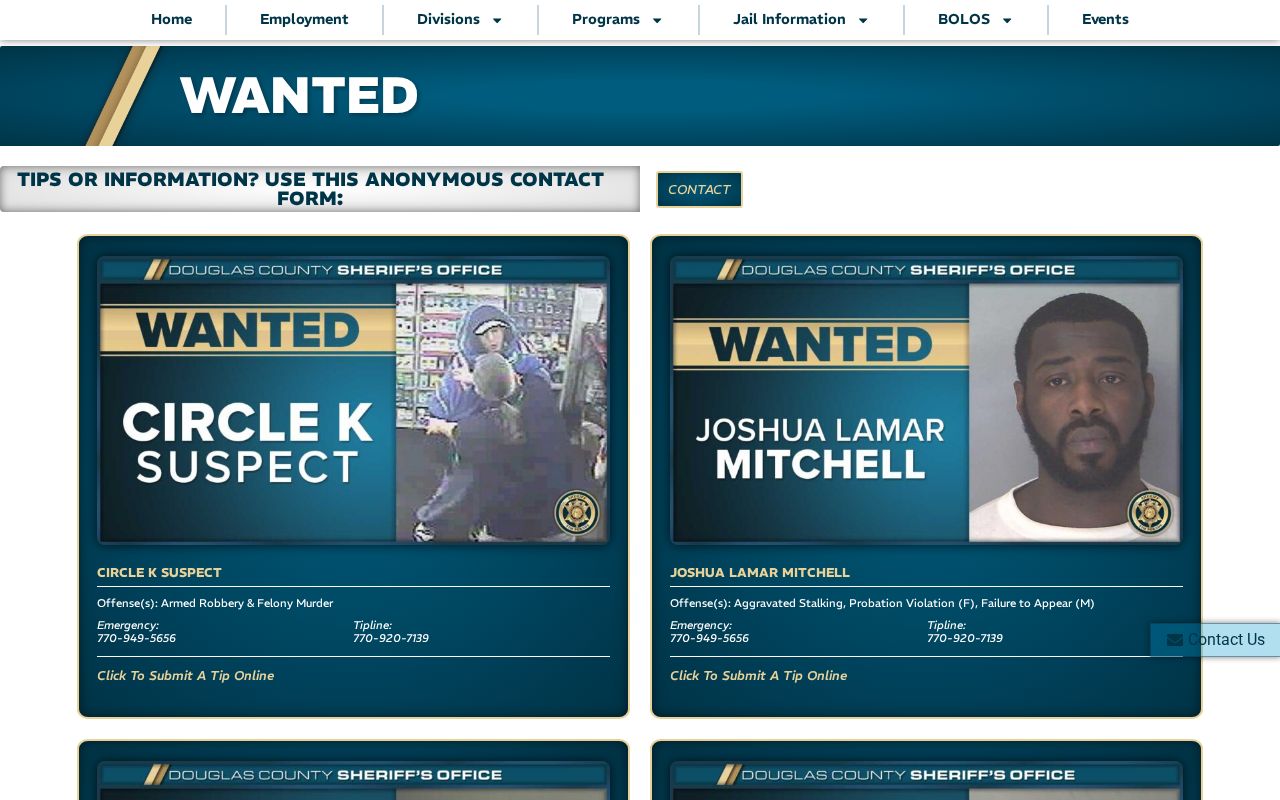
Selectivity cuts both ways. A card may be stale, and the archive skips plenty of cases, so confirm through an official channel before assuming anything posted there is current.
Note: A dated wanted card can remain visible after the underlying status changes, so verify the notice before treating it as current.
What a Douglas Wanted Listing Shows
No two posts look alike. Most cards share a few elements, though. Expect a photograph, a name or incident label, the offense, physical details, and investigator contact information. The picture could be a booking image, a surveillance still, or something supplied by another agency, and you usually can't tell which just by looking.
| Listing field | How to read it |
|---|---|
| Name or incident label | Identifies the person sought or describes an incident when no name is supplied. |
| Photo or still | May help identify a person or event. It is not proof of guilt and is not always a booking photo. |
| Alleged offense | States what the notice says law enforcement is investigating or seeking. |
| Description | May include descriptive facts or identifying details supplied in the notice. |
| Investigator contact | Provides a route for information tied to the specific notice. |
| Tip channel | Directs information to the Sheriff's official phone or online submission path. |
| Posting age | Shows why an older card needs a live status check before action. |
Not every active warrant earns a photo card. A missing name proves nothing either way. Court records, the issuing authority, and the warrants division each hold a different piece of the puzzle.
How to Read Douglas County Wanted Notices
Treat the archive as a public-safety lead. Read the whole card and note the agency contact. When the question involves one particular person, verification through the proper official channel beats a public confrontation or a private hunt for a home address.
- Open the DCSO Most Wanted and BOLO archive and check the post date, name or incident label, and agency wording.
- Read the alleged offense and descriptive facts as charges. Do not label the person guilty or assume the image is a booking photo.
- If you have information, use the listed tip route or the Sheriff's tip line. Do not approach, follow, or contact the person shown.
- If you need to know whether a specific person has a warrant, contact counsel or the issuing court through a safe channel.
- For a later Douglas booking, use the county record and custody search after confirming the correct jail and date.
Recognize a name or a face? Report facts, not rumors. A tip helps even when the person isn't in the Douglas roster. The archive can't clear a warrant, and it's no stand-in for advice from an attorney.
Douglas County Tip Contact
DCSO posts a tip line alongside its wanted notices. The published number is 770-920-7139. When a card names a specific contact method, use it; an investigator may need the incident label or other notice details. Rewards aren't guaranteed on every post. Never promise one the card doesn't make.
Fugitive and Wanted Information
Douglas County Sheriff's Office
Tip line: 770-920-7139
An online tip option is available through the Fugitive and Warrants Division page or the relevant Most Wanted notice.
Emergency danger: 911
Keep any confirmation or reference number the official system gives you. Skip public comment threads for personal details. Never try to get a response by confronting the person named in a notice.
The DCSO home page serves as an official landing point for agency services, though it isn't a complete wanted database. The Douglas County Sheriff's Office home page offers another route to public-safety information.
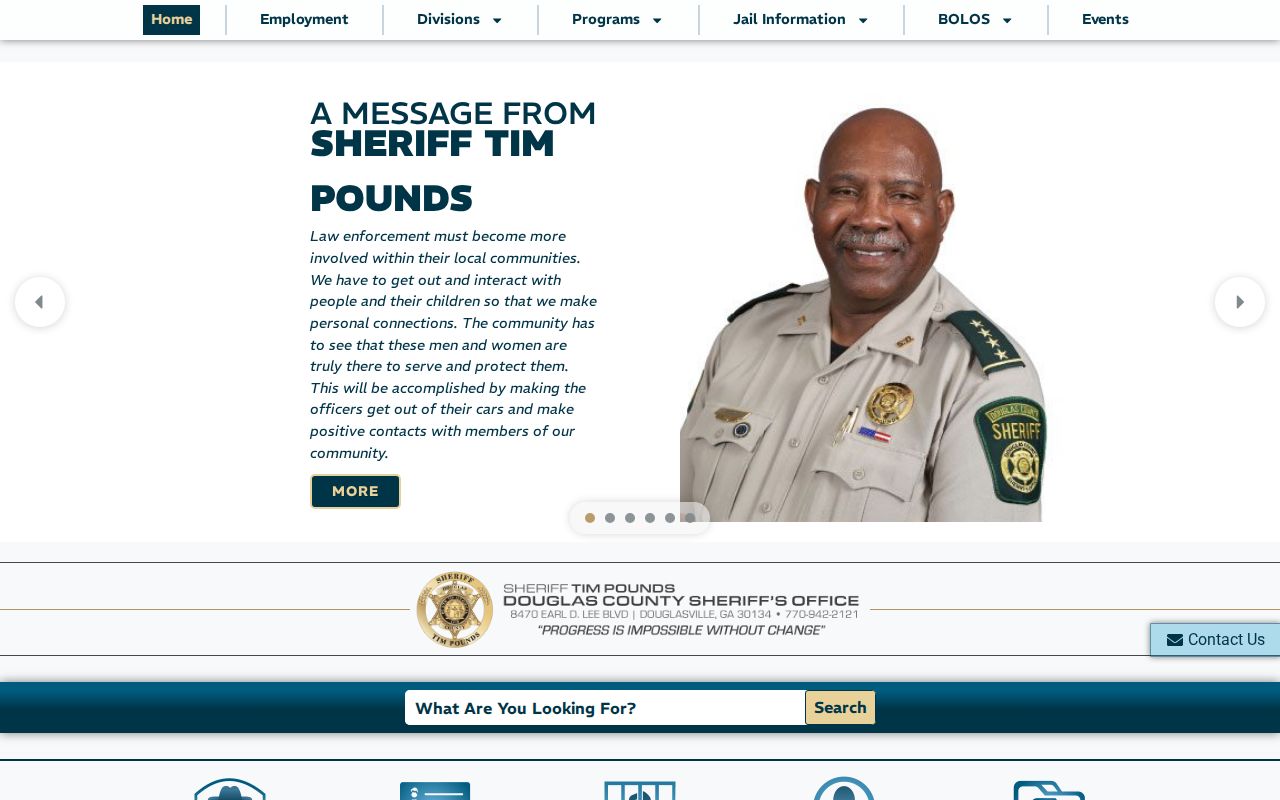
Going through the agency keeps your tip with the office that actually owns the notice.
Check a Douglas County Warrant Safely
Douglas County does not offer a public warrant database you can search by name. The Sheriff's Fugitive and Warrants Division handles warrants internally. Its work includes recording them, running identifier and history checks, entering data into NCIC, and assigning service. None of that working data gets published. For a real answer, go to the issuing court, a lawyer, or a careful direct contact with the Sheriff. The Most Wanted archive helps with tips, but it cannot clear anyone's name.
Know the county and the court tied to the warrant before you start. A city name alone can mislead. Villa Rica sits in both Carroll and Douglas. Austell spans Cobb and Douglas too. If a court or agency points to a different county, follow that custodian instead of treating the Douglas archive as the last word.
- Write down the exact name, date of birth or other identifier, county, and reason for the inquiry.
- Ask counsel or the issuing court how to verify the warrant without exposing yourself to an unsafe contact.
- Use DCSO contact information for a Douglas question when the issuing authority directs that route. Do not rely on a missing photo card.
- Ask what office can explain the warrant status, court date, bond condition, or service process.
- If a warrant concerns you, follow legal advice and court instructions. Never evade, hide, or confront an officer.
A warrant check and a booking lookup answer different questions. An active warrant might never show up in the jail roster. Someone can also get booked without ever appearing on a wanted list. When the question is whether a person was recently booked, turn to the DCSO Daily Reports and roster described on the county home page.
Note: The absence of a name from a selective archive does not clear a warrant or establish that no court matter exists.
Warrant Types and Notice Limits
Broad labels help you sort the question before you call. But the exact authority, status, and court record have to come from the office that issued the warrant or keeps it on file.
| Type or notice | Meaning for a Douglas County lookup |
|---|---|
| Arrest warrant | A judicial authorization tied to an alleged offense. Verify with the issuing court or counsel. |
| Bench warrant | A court-related warrant that can arise from a missed appearance or court condition. Only the court can confirm the reason and status. |
| Wanted or BOLO notice | A public request for information. It is selective and does not prove that every warrant is listed. |
| NCIC entry | A law-enforcement database entry described by the warrants division. It is not a public name-search page. |
Never assume warrant status from a news story, a third-party site, or an old social media post. Warrants get recalled, served, modified, or moved to another county. The issuing authority plus qualified legal advice is the only safe path.
Douglas Sheriff App and Social Posts
The DC Sheriff GA Mobile app offers most-wanted browsing, anonymous tips, who-is-in-jail access, and alerts. Booking photographs are not promised in the listing. It works well as an official notification or BOLO channel. It is not a public warrant database. It never replaces 911. On social media, the agency goes by @dcsheriffga on Instagram and DCSheriffGa on Facebook and X.
No recurring "Warrant Wednesday" series checks out. Social posts tend to be selective, time-sensitive, or deleted without notice. If a post conflicts with what a court or agency tells you, note the post's date and trust the responsible custodian for status. Open the DC Sheriff GA Mobile listing to see the published feature set.
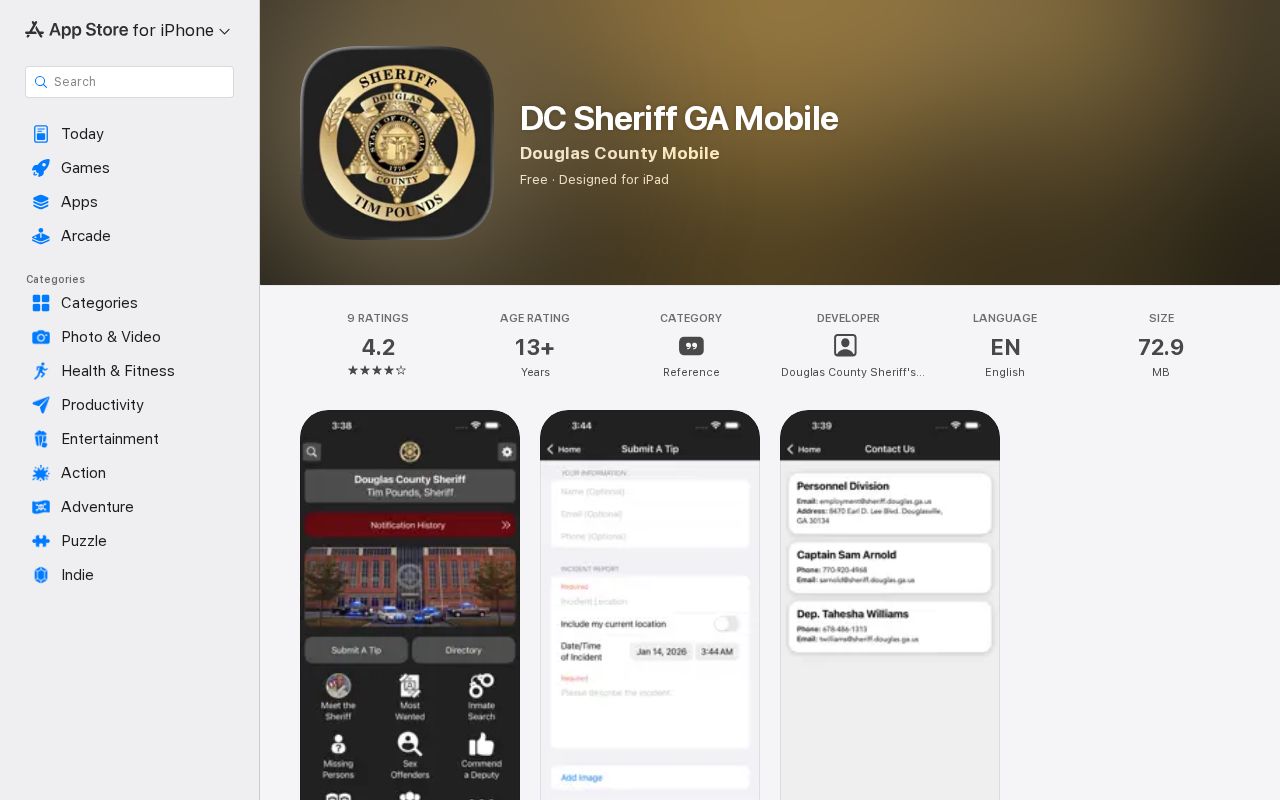
The app points to official services, sure. Its description gives no basis for claiming every jail record comes with a photo.
Wanted Notice and Court Disposition
A wanted notice can come before a booking, after a missed court date, or as a plea for information on an open incident. It is not the final case record. Once a case is filed, the Douglas Clerk search shows docket events and the outcome. That outcome can differ from what a BOLO claimed. In the Douglas court search, type the name as LAST NAME, FIRST NAME and compare identifiers and dates carefully. A no-result can stem from the court class, another county, a juvenile or protected record, or a warrant that has not yet become a public case. It does not prove a notice is false. Nor does it prove the notice still stands.
Read the DCSO Fugitive and Warrants Division information to see how the agency describes its process and the difference between a public notice and internal warrant handling.
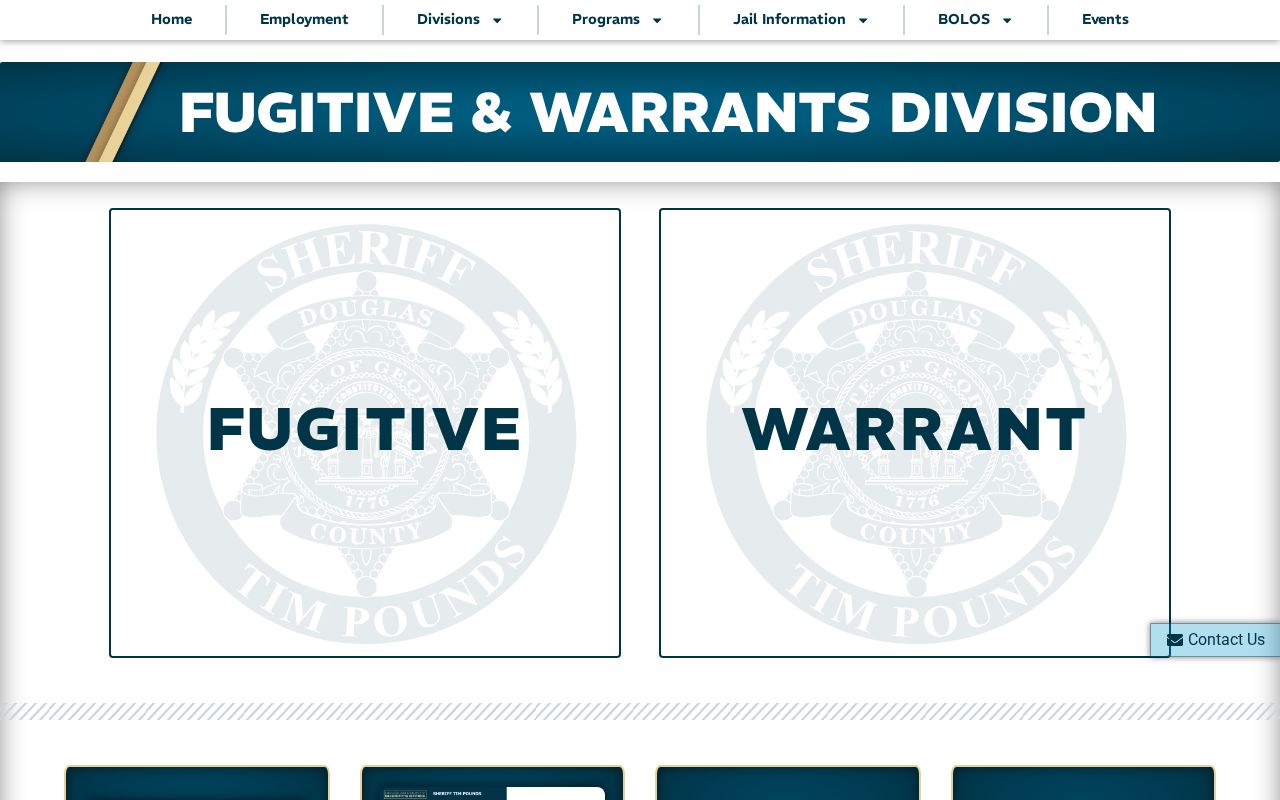
The agency's page explains its own handling. Direct status verification still rests with the issuing court, counsel, or the responsible office.
Note: A wanted notice, booking entry, and court disposition can belong to different dates and custodians.